Reggie Olivier: From Combat Engineer to K-9 Handler
Raised in the New York/New Jersey area by Haitian immigrant parents, Reggie began his career in the Marine Corps Reserves. Deployed to Afghanistan as a combat engineer, he developed skills in explosives detection that later sparked his passion for K-9 work. After transitioning from detention center duty to patrol work, Reggie found his true calling in K-9 handling.
Lewellyn “Lew” Bryant: From Student-Athlete to Community Protector
Originally from Greensboro, North Carolina, Lew grew up on a cattle ranch and pursued college football at Liberty University. His resilience on the field eventually carried over into his law enforcement career. Driven by a desire to serve, he entered the police force and discovered the perfect blend of purpose and passion in K-9 operations.
The Strategic Importance of Police K-9 Units in Law Enforcement
Understanding the Role of a K-9 Decoy
Reggie emphasizes that acting as a decoy in K-9 training isn’t just about donning a bite suit. It requires a deep, strategic understanding of canine behavior and how to bring out a dog’s full potential during critical exercises.
Key Takeaways:
Decoys must interpret body language and reinforce proper response behaviors.
The timing and delivery of rewards are essential to reinforce learned skills.
Handlers and decoys should regularly attend professional workshops to refine their techniques.
Selecting and Evaluating Police K-9 Candidates
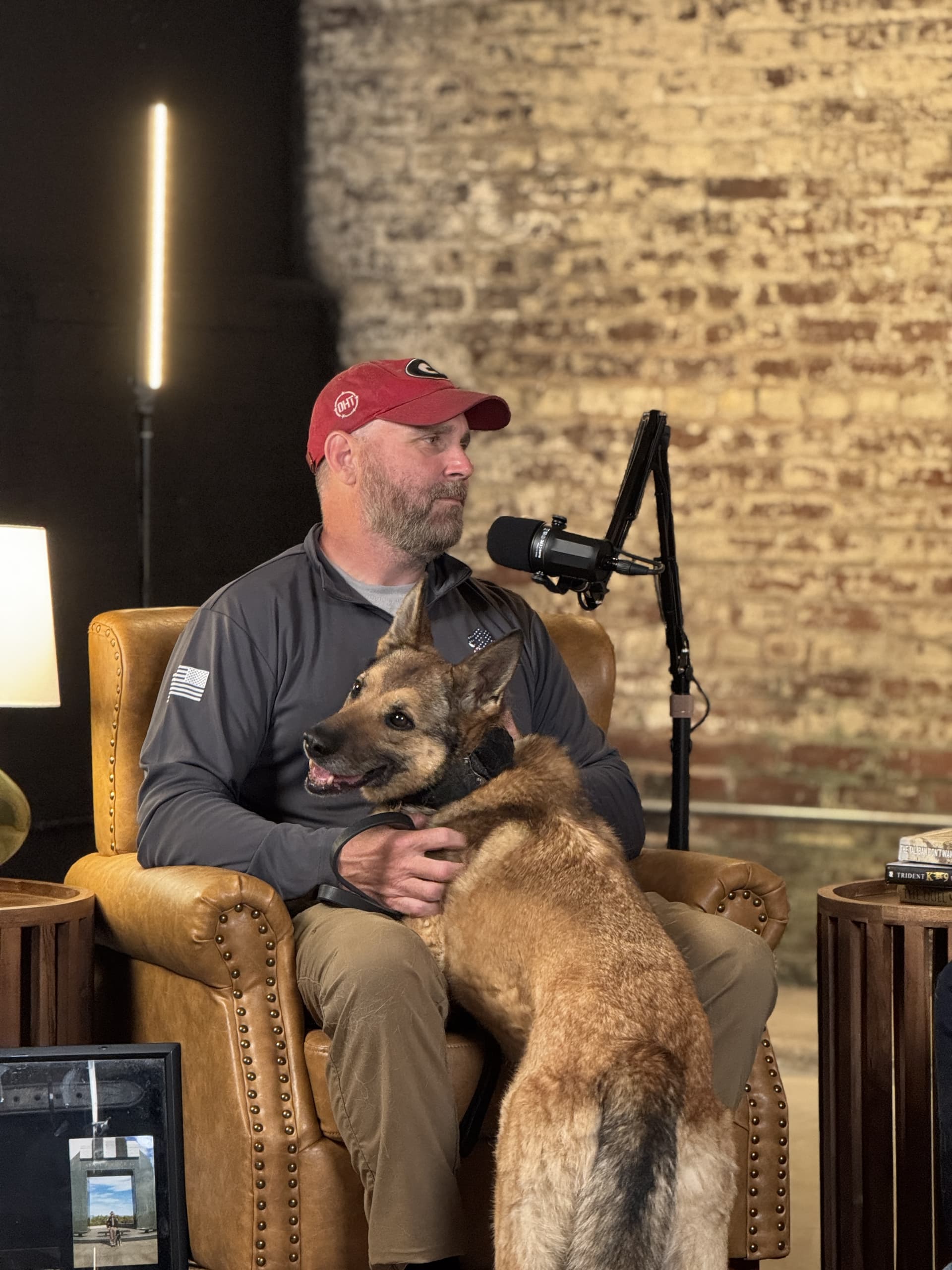
Both Reggie and Lew stress that dog selection is a foundational element of a successful K-9 program. Traits like drive, stability under pressure, and mental resilience matter far more than pedigree alone.
Best Practices for K-9 Selection:
Prioritize dogs with high prey and hunt drive suitable for law enforcement.
Expose prospective K-9s to varied stimuli to test for adaptability and temperament.
Consult experienced handlers and trainers during the evaluation process.
Building a Strong K-9 Training Program
Training is a continual, evolving process. Lew and Reggie advocate for "pushing to failure"—intentionally introducing difficult challenges to identify gaps and push canine performance to higher standards.
Training Insights:
Challenge dogs in complex environments to strengthen skills under stress.
Regularly rotate training scenarios to simulate real-life field conditions.
Seek honest assessments from external trainers to avoid performance blind spots.
Real-World Law Enforcement Applications: Lessons from the Field
Reggie and Lew share firsthand experiences, from tracking suspects across water to managing long-duration surveillance missions. These stories illustrate the incredible versatility and reliability of well-prepared K-9 teams.
Operational Recommendations:
Prepare dogs for diverse terrain, climate conditions, and urban-rural environments.
Focus on developing seamless handler-dog communication under pressure.
Conduct frequent scenario-based drills to ensure operational readiness.
Public Education, Proactive Policing, and the Future of Law Enforcement
Shifting Public Perception of Police Work
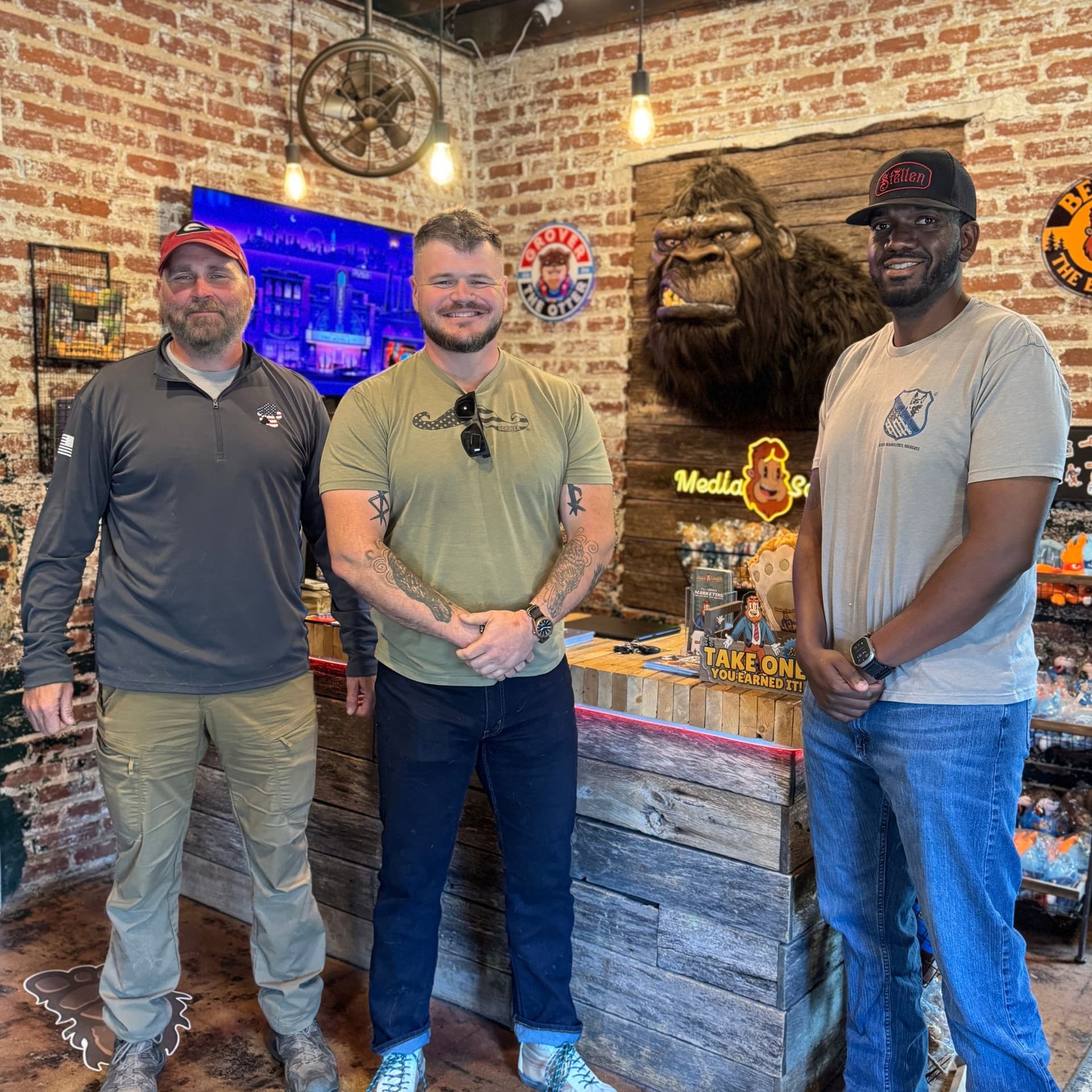
Reggie and Lew acknowledge growing public scrutiny of law enforcement and call for greater efforts to educate communities on the complexities of police work, especially as it pertains to K-9 units and proactive crime prevention.
Strategic Community Engagement:
Create opportunities for the public to observe K-9 demonstrations and training.
Use transparency and education to bridge gaps in understanding.
Prioritize proactive policing initiatives that stop crime before it starts.
Balancing Enforcement with Community Support
The conversation also underscores the tension between the dual roles of law enforcement: protector and public servant. Officers often handle non-criminal matters that can distract from serious threats.
Law Enforcement Policy Recommendations:
Reallocate resources to prioritize serious criminal threats and reduce administrative burdens.
Equip officers with the tools and training to manage violent and high-stakes incidents.
Develop clear communication protocols for community-facing and enforcement roles.
Elevating K-9 Operations and Public Understanding
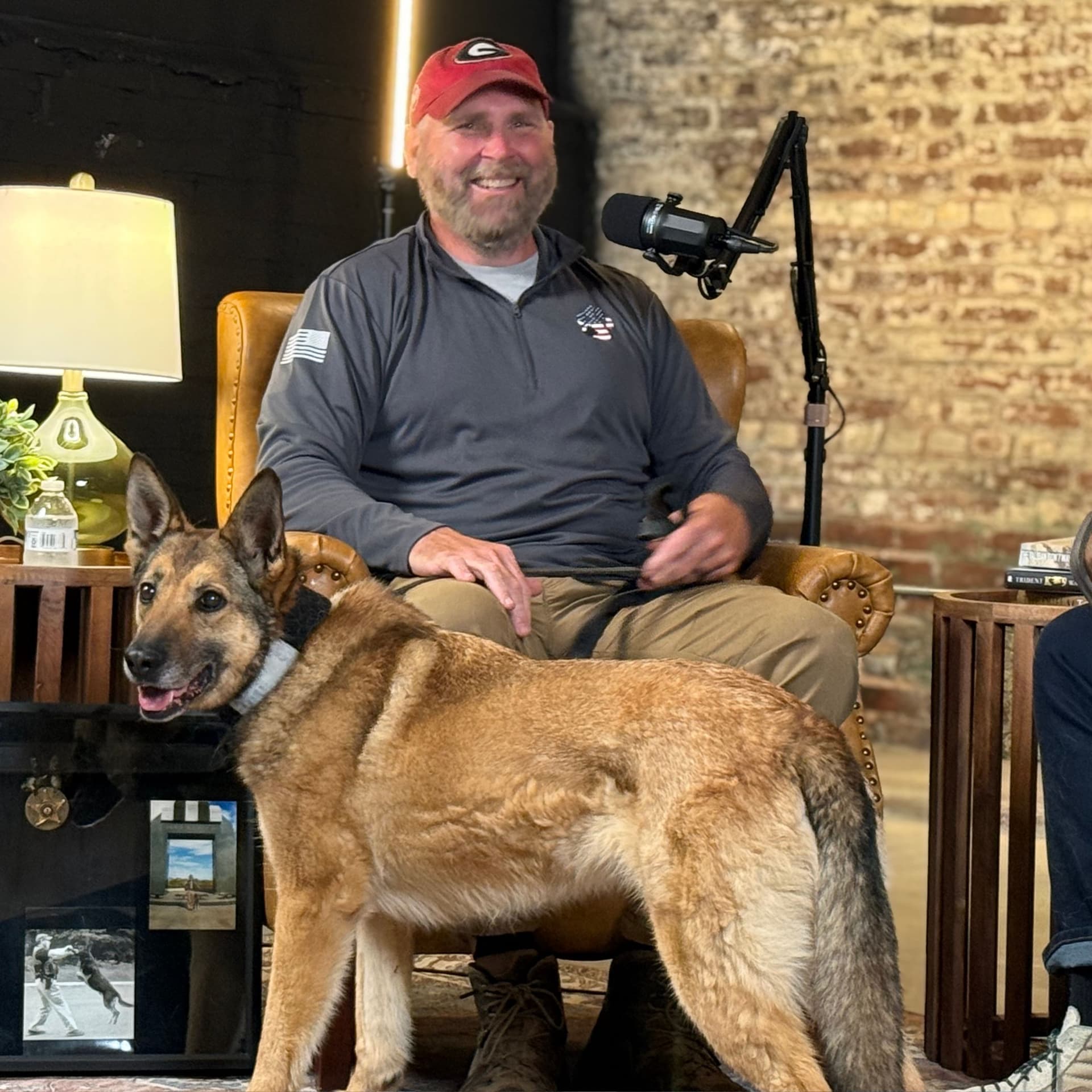
This episode of Truth 4 Change offers a rare, in-depth look into the realities of working with police K-9 units. Through the experiences of Reggie Olivier and Lewellyn Bryant, we learn that effective K-9 policing is equal parts science, strategy, and heart.
By focusing on comprehensive selection, progressive training, and proactive public engagement, law enforcement agencies can build K-9 programs that not only enhance public safety but also foster community trust.